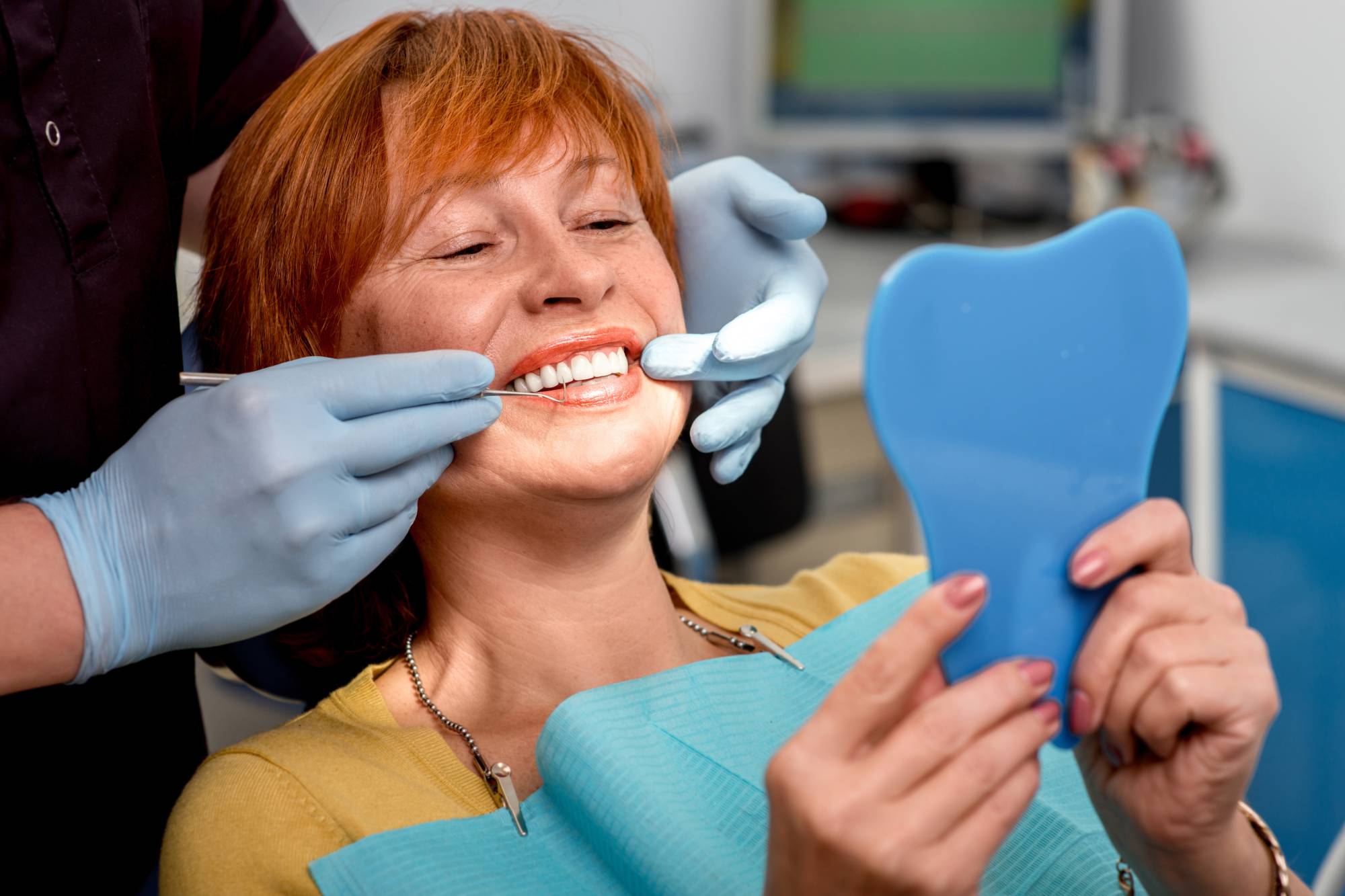
Missing teeth affect more than your smile. They change how you eat, speak, and feel about yourself. If you’re exploring tooth replacement options in Jonesboro, AR, dental implants offer something dentures and bridges can’t: a permanent solution that looks and functions like your natural teeth.
Dr. McDonough and Dr. Phillips at Northeast Arkansas Center for Oral and Maxillofacial Surgery have helped patients restore their smiles with dental implants for years. With 40+ years of combined surgical experience, they bring the kind of training and skill that makes a real difference in outcomes. This guide covers what you need to know before making your decision, from what makes someone a good candidate to how the procedure works and what recovery looks like.
What Are Dental Implants?
A dental implant is a titanium post surgically placed into your jawbone to serve as an artificial tooth root, providing a permanent foundation for a replacement tooth that looks, feels, and functions like your natural teeth.
Unlike removable dentures or bridges that sit on top of your gums, implants become part of your jaw. The titanium post fuses with your bone through a process called osseointegration, creating a stable anchor that won’t slip or shift. Dr. McDonough and Dr. Phillips place implants using CBCT imaging and modern techniques to plan each case with precision.
What Are the Three Components of a Dental Implant?
Every dental implant consists of three parts working together:
The implant post is a small titanium screw placed directly into your jawbone. Why titanium? It’s biocompatible, meaning your body accepts it without rejection. Over several months, your bone grows around and bonds with this post, creating a rock-solid foundation.
Next comes the abutment. Think of it as a connector piece. It screws into the top of the implant once healing is complete, bridging the gap between the post buried in your bone and the visible tooth above your gumline.
The crown is the part you actually see when you smile. Custom-made to match your surrounding teeth in color, shape, and size, it attaches to the abutment and handles all your normal chewing and biting. Most people can’t tell the difference between an implant crown and a natural tooth.
Why Do Oral Surgeons Place Dental Implants?
While general dentists can restore implants with crowns, oral and maxillofacial surgeons like Dr. McDonough and Dr. Phillips are specially trained to perform the surgical placement. After completing dental school, oral surgeons complete a four- to six-year surgical residency where they train alongside medical residents in anesthesiology, general surgery, and internal medicine.
This training matters. Placing an implant requires precise surgical technique, deep understanding of facial anatomy, and the ability to manage complications if they arise. Specialty-trained oral surgeons bring this expertise to every procedure, and that level of preparation is especially important for patients who need bone grafting or have complex treatment plans.
How the Dental Implant Procedure Works: Step by Step
The dental implant process takes several months from start to finish, but most of that time is simply waiting for your body to heal. Here’s what happens at each stage.
What Happens During the Initial Consultation?
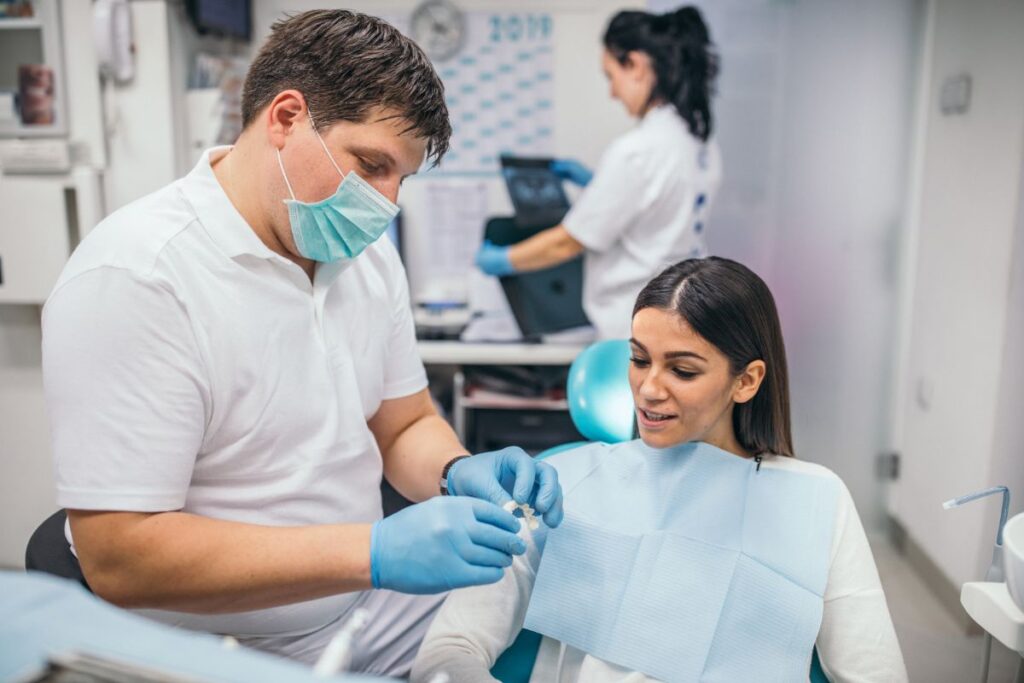
Your first visit focuses on determining whether implants are right for you. Dr. McDonough or Dr. Phillips will:
- Go over your dental and medical history in detail
- Take CBCT (cone beam computed tomography) imaging to create 3D images of your jawbone
- Check your bone density and volume
- Talk through your goals and answer your questions
- Build a customized treatment plan based on your specific anatomy
This imaging technology shows exactly how much bone you have, where your nerves and sinuses are located, and the optimal angle for implant placement. That takes the guesswork out of planning.
What Happens During Implant Surgery?
On your surgery day, you’ll receive anesthesia to keep you relaxed. IV sedation is available, which means you can rest completely during the procedure without anxiety.
During surgery, Dr. McDonough or Dr. Phillips will:
- Make a small incision in your gum tissue
- Create a precise channel in your jawbone
- Place the titanium implant post
- Close the gum tissue over or around the implant
The surgical procedure typically takes 30-60 minutes per implant. Most patients are surprised by how straightforward it is. Really.
How Long Does the Healing Period Take?
This is where patience pays off. Over the next 3-6 months, your jawbone gradually fuses with the titanium implant. This process, called osseointegration, is what makes dental implants so stable and long-lasting.
During this time, you’ll follow specific care instructions and may wear a temporary restoration. Regular check-ups ensure everything is healing properly.
What Happens During Abutment Placement and Final Restoration?
Once your implant has fully integrated with your bone, you’re ready for the final steps:
- A minor procedure to attach the abutment to your implant
- Impressions taken for your custom crown
- Crown fabrication by a dental lab
- Final crown placement and adjustment
When your permanent crown is attached, you’ll have a fully functional tooth that blends right in with your smile.
Why Are Dental Implants the Most Popular Tooth Replacement Option?
Dental implants are the most popular tooth replacement because they are the only option that preserves jawbone, functions like natural teeth, and can last a lifetime with proper care.
Here’s why so many patients in Jonesboro and across Arkansas choose them over alternatives.
Why Do Dental Implants Look and Feel Like Natural Teeth?
Once your implant is complete, you won’t think about it. You’ll eat whatever you want, speak clearly, and smile with confidence. No clicking, no slipping, no adhesive required. Your implant crown is brushed and flossed just like your other teeth.
How Do Implants Preserve Your Jawbone?
When you lose a tooth, the bone that supported it begins to deteriorate. Your jaw no longer receives the stimulation it needs from chewing forces. Over time, bone loss can change your facial structure and make you look older.
Dental implants are the only tooth replacement option that prevents this. Because the titanium post integrates with your bone, it provides the same stimulation as a natural tooth root. Your jaw stays strong and healthy.
Do Implants Protect Your Remaining Healthy Teeth?
Traditional bridges require grinding down the teeth on either side of your gap to support the replacement tooth. Those healthy teeth are permanently altered.
Implants stand alone. They don’t depend on neighboring teeth for support, so your healthy teeth stay intact.
How Long Do Dental Implants Last?
With proper care, dental implants can last a lifetime. The crown portion may need replacement after 15-20 years due to normal wear, but the implant itself typically remains permanently integrated with your bone. According to the American Academy of Implant Dentistry, dental implants carry a success rate of up to 98%, making them one of the most reliable options in dentistry.
How Do Implants Affect Daily Life?
The physical benefits are clear, but implants also bring back something harder to put a number on: freedom. Patients tell us the biggest change is the small stuff, eating at a restaurant without scanning the menu for soft foods, laughing in a meeting without a hand over their mouth, biting into an apple at a picnic without thinking twice. Those everyday moments are what patients say matter most after getting implants.
Dental Implants vs. Dentures vs. Bridges: Which Is Right for You?
Each tooth replacement option has its place. Understanding the differences helps you make an informed decision.
| Factor | Dental Implants | Dental Bridges | Dentures |
|---|---|---|---|
| Lifespan | Decades (often lifetime) | Typically 10-15 years | Typically 5-8 years |
| Bone Preservation | Yes, stimulates jawbone | No | No |
| Adjacent Teeth | Unaffected | Requires grinding healthy teeth | May cause wear on remaining teeth |
| Stability | Completely fixed | Fixed but depends on anchor teeth | May slip or shift |
| Maintenance | Brush and floss normally | Special flossing required | Daily removal and cleaning |
| Chewing Ability | Full function | Good function | Significantly reduced |
When Are Dentures or Bridges a Better Fit?
Implants aren’t always the right choice for everyone. Dentures might make sense if:
- You’re missing all or most of your teeth and prefer a removable option
- You have significant bone loss and prefer not to undergo bone grafting
- Health conditions prevent you from having surgery
Bridges can work well when:
- The teeth on either side of the gap already have large fillings or crowns
- You need a quicker solution than the implant timeline allows
- You would rather avoid surgery for a single missing tooth
That said, implant-supported dentures offer a middle ground. These “snap-on” dentures attach to a small number of implants, providing much better stability than traditional dentures without needing a separate implant for every tooth. For patients who want more security than a conventional denture but aren’t candidates for a full set of individual implants, this can be a practical path forward.
Are You a Good Candidate for Dental Implants?
Most adults missing one or more teeth can receive dental implants. Certain factors do affect your candidacy, though.
Is Jawbone Density Important for Implants?
Implants need sufficient bone to anchor into. If you’ve been missing teeth for years, some bone loss has likely occurred. The good news? Bone grafting procedures can rebuild your jaw, making implants possible even for patients with significant bone loss.
Does Your General Health Matter?
You should be healthy enough to undergo minor oral surgery and heal normally. Most patients with controlled chronic conditions like diabetes or high blood pressure can still receive implants with proper planning.
Certain health situations need careful consideration, including uncontrolled diabetes, radiation therapy to the head or neck, immune system disorders, blood clotting disorders, and current bisphosphonate medication use. These conditions don’t automatically disqualify you. They simply mean your oral surgeon needs full information to plan your treatment safely.
How Does Smoking Affect Implant Success?
Smoking significantly reduces implant success rates. The chemicals in tobacco interfere with bone healing and increase infection risk. Quitting before implant surgery dramatically improves your outcomes. Dr. McDonough and Dr. Phillips can discuss this with you during your consultation.
Why Does Oral Hygiene Matter After Getting Implants?
Implants require the same care as natural teeth. Patients who brush twice daily, floss regularly, and attend routine dental checkups have the best long-term results. It’s that simple.
How Can You Find Out If You’re a Candidate?
A consultation with specialty-trained oral surgeons, with 40+ years of combined surgical experience, is the best way to find out. During your visit at our Jonesboro office, you’ll get 3D images of your jaw, a clear breakdown of what treatment would look like, and honest answers about whether implants make sense for you.
Frequently Asked Questions About Dental Implants
Will dental implants last a lifetime?
Yes, with proper care, the titanium implant post can last your entire life. It doesn’t decay or wear out. The crown portion experiences normal wear from chewing and may need replacement after 15-20 years, but that’s a straightforward procedure that doesn’t affect the implant underneath.
Is the dental implant process uncomfortable?
Most patients report far less discomfort than they expected. During surgery, you won’t feel anything thanks to anesthesia. IV sedation keeps you completely relaxed throughout the procedure. Afterward, any soreness is typically managed well with over-the-counter relievers and resolves within a few days.
How long does the full dental implant process take?
Plan for 3-6 months from initial consultation to final crown. Most of this time is the healing period while your bone integrates with the implant. The actual surgical appointments are relatively quick. Some patients qualify for immediate-load implants with a temporary tooth placed the same day, though this isn’t appropriate for every situation.
Can you get dental implants if you have bone loss?
Often, yes. Bone grafting procedures can rebuild your jaw to support implants. Grafting adds bone material to areas that have deteriorated, and after a healing period, the area becomes strong enough for implant placement. Dr. McDonough and Dr. Phillips evaluate your specific situation with 3D imaging at our Jonesboro office and recommend the best approach.
What’s the difference between an oral surgeon and a dentist placing implants?
Oral and maxillofacial surgeons complete an additional four to six years of surgical residency training after dental school. This training includes anesthesiology, hospital-based surgery, and management of complex cases. Dr. McDonough and Dr. Phillips bring this advanced expertise to every implant procedure, which matters especially for patients needing bone grafting or those with more involved treatment plans. Our guide on choosing between an oral surgeon and a general dentist covers this in more detail.
Can you get implants if you currently wear dentures?
Absolutely. Many denture wearers transition to implant-supported solutions, and it can be a life-changing upgrade. Options range from implant-supported dentures (which snap onto implants for better stability) to full fixed bridges supported by implants. If you’re frustrated with loose or uncomfortable dentures, a consultation at our Jonesboro office is the best place to start, and your solution for missing teeth may be closer than you think.
Find Out Where You Stand
The only way to know for certain whether implants are right for you is to have someone look at your jaw. Dr. McDonough and Dr. Phillips will review your imaging, walk you through your options, and tell you straight if something else would serve you better. Call the Jonesboro office at 870-931-3000 or schedule your consultation online.