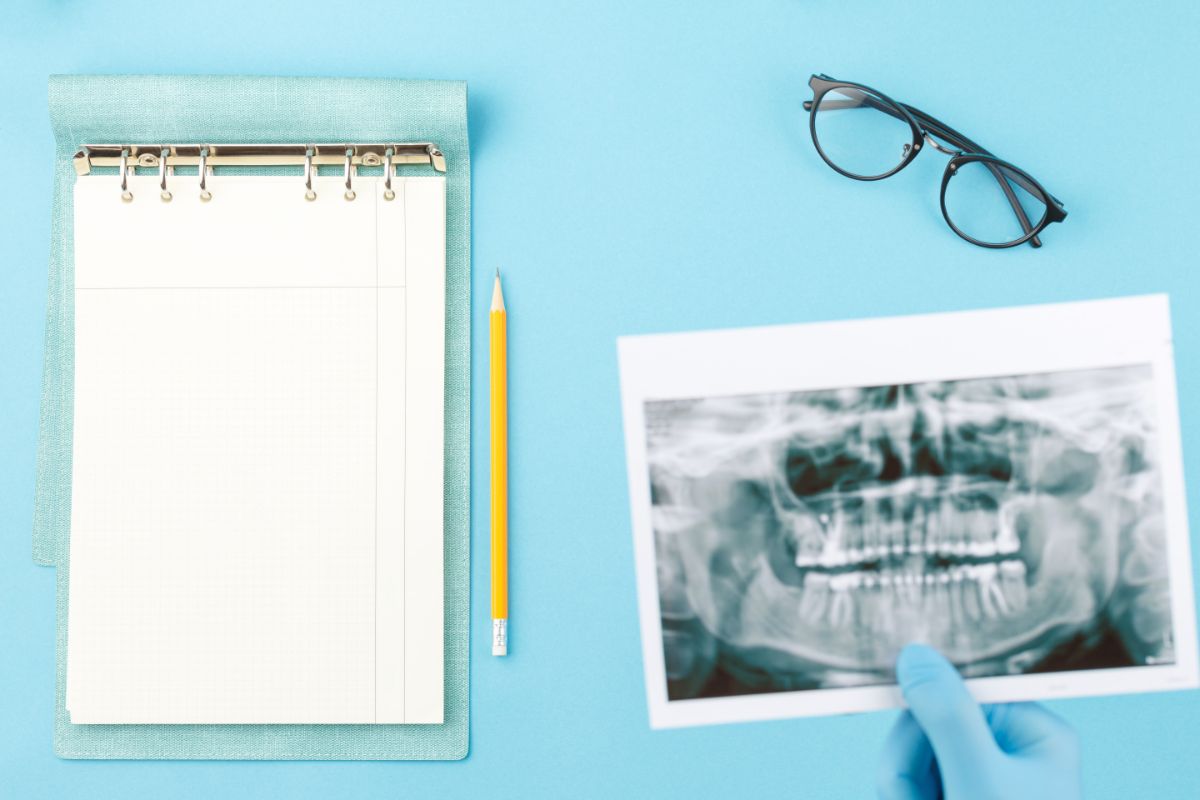
Tooth loss is common, but the steps to replace a missing tooth are not always well explained. Dental implants have become the preferred replacement option because of their lasting benefits, yet placing one is rarely as simple as setting a new tooth into an empty space. For many patients, the first step is a bone graft, and knowing how to recover from it makes the whole process smoother.
Most patients we see at Northeast Arkansas Center for Oral and Maxillofacial Surgery will need a bone graft before they can sport their new smile. While it may sound like a scary and complicated step, a bone graft is a routine part of securing your new smile. With these recovery tips, it should be an easy part of your smile journey.
What is a bone graft?
In order to accommodate and structurally support your dental implant, you need a sufficient amount of jawbone. If you have experienced bone loss in your jaw due to infection from gum disease or simply as a result of missing teeth, it will be recommended that you have a bone graft to prepare for your implant procedure.
A bone graft uses bone tissue to repair and rebuild the strength of your jawbone, adding volume and density in the areas where the bone is lacking. Most commonly, the graft material is placed where a small incision has been made to expose the weakened spot. The gum tissue is repositioned, and the incision is closed with sutures. Over the coming months, the bone graft heals together with the existing bone to form a strong base for your implants. You can read more in our overview of dental bone grafts.
Tips for Recovering from a Bone Graft for Dental Implants
A bone graft creates a solid foundation for your dental implants in Jonesboro, and a smooth recovery gives your implants the best chance of strength and stability.
Use a Cold Compress and Medication
Inflammation should be expected after just about any oral procedure, but the increased blood flow to the area is actually good for your healing. To make the swelling more manageable, especially in the first 24 hours following your bone graft, try placing a cold compress on your cheek in 30-minute intervals.
Be sure to take all of your medications as directed. Over-the-counter pain medications can help reduce temporary pain and swelling, while some patients may be prescribed an antibiotic to take before or after their procedure. This helps prevent infection from developing and delaying the healing process.
Use Caution When Eating and Drinking
Any procedure that disrupts your teeth, gums, and jaw will likely have you modifying how you eat and drink while you heal. Avoid foods that are hard, crunchy, or chewy, since these are most prone to causing pain and could trouble your sutures or the graft itself. Foods like applesauce, smoothies, and soups are easiest to consume and won’t risk harming your bone graft. Chewing on the opposite side of your mouth and cutting large foods into smaller pieces also helps in the first few weeks.
Avoid Straws and Smoking
While a dry socket isn’t as common with a bone graft as with a tooth extraction, it is still a painful possibility during recovery. Avoiding the sucking motion of straws can also help you avoid a grainy feeling that occurs as some grafting material comes loose from the site. And it is not just the air pulling that makes us recommend avoiding smoking. Nicotine slows your body’s healing and raises your risk of infection after oral surgery, so it is best to avoid it in all of its forms.
Rest and Practice Patience
Your body does most of its healing while you rest, so use this procedure as an excuse to eat comforting foods while watching your favorite shows. Your initial soft tissue healing takes only a few days to a couple of weeks, but the internal healing that gives your new smile its durability can take a few months. If anxiety is a concern for the procedure itself, ask us about IV sedation options for your comfort.
Call with Concerns
It is unlikely you will run into complications, but give us a call with any concerns during recovery. Reach out if you notice worsening pain or swelling after the first week, drainage or a bad taste at the site, or no sign of improvement, since these can point to a graft that needs attention.
Dental Bone Graft Healing Timeline: What to Expect
Every patient heals at their own pace, and your timeline depends on your body’s healing capacity, the type of graft used, and the location of the graft. As a general guide, here is what most patients can expect after a bone graft for dental implants.
- First 24 to 48 hours. Swelling and mild bleeding are normal. Rest, use cold compresses, and stick to cool, soft foods.
- Days 3 to 7. Swelling and soreness begin to ease. Most patients return to light daily activities and continue a soft diet.
- Weeks 2 to 4. Soft tissue heals and the gums close. Day-to-day life feels normal again, though the graft is still maturing underneath.
- Months 3 to 6. The graft integrates with your jawbone, building the stable foundation your implant needs. Once imaging confirms the bone is ready, your implant can be placed.
In some cases, a bone graft and an implant can be placed at the same time, and your surgeon will let you know if that is an option for you.
Bone Graft Recovery FAQs
How long does a bone graft take to heal before an implant?
Soft tissue heals within one to two weeks, but the graft itself usually needs about three to six months to fully integrate with your jawbone. Your surgeon confirms the bone is strong enough with imaging before placing your implant, so the exact wait depends on your healing.
Can you smoke after a dental bone graft?
It is strongly discouraged. Nicotine restricts blood flow to the graft site, which slows healing and raises the risk of infection and graft failure. Avoiding tobacco in all forms before and after surgery gives your bone graft the best chance of success.
Is a bone graft painful?
Most patients describe mild soreness rather than significant pain. Swelling typically peaks in the first two to three days and is managed well with cold compresses and the medication your surgeon recommends. Discomfort usually fades within the first week.
Trust your smile to Northeast Arkansas Center for Oral and Maxillofacial Surgery!
Your bone graft typically needs to heal before your final implant is placed, and that timeline varies with your body’s healing capacity, the type of graft used, and the location of the graft. The visible signs of healing come quickly, and you will feel more like yourself within a couple of weeks, but much of the real bone growth happens in the months that follow.
Oral surgery can be intimidating, so our Northeast Arkansas Center for Oral and Maxillofacial Surgery team gives you personalized care that meets your needs. You will feel confident in your care from the moment you contact our convenient Jonesboro, AR office. Get in touch today to schedule an appointment and see how dental implants can give you a life you can smile about!