
It’s about restoring the freedom to eat, speak, and smile with confidence.
Dental Implants
Dental implants are the optimal solution for replacing missing teeth. They are small, titanium posts that are surgically placed into the jawbone to serve as artificial tooth roots. These implants provide a strong foundation for the attachment of replacement teeth, such as individual crowns, bridges, or even full dentures.
Dental implant placement enables a person the ability to eat virtually anything and retain their natural facial contours.

Smile with confidence, eat your favorite foods again, and enjoy your life to the fullest.
Anatomy of a Dental Implant
A replacement tooth, root and all
A bridge or denture only replaces the part of a tooth you can see. An implant also replaces the root, so the new tooth stands on its own, keeps the jawbone healthy and never needs the neighboring teeth for support.
The crown
The abutment
The implant
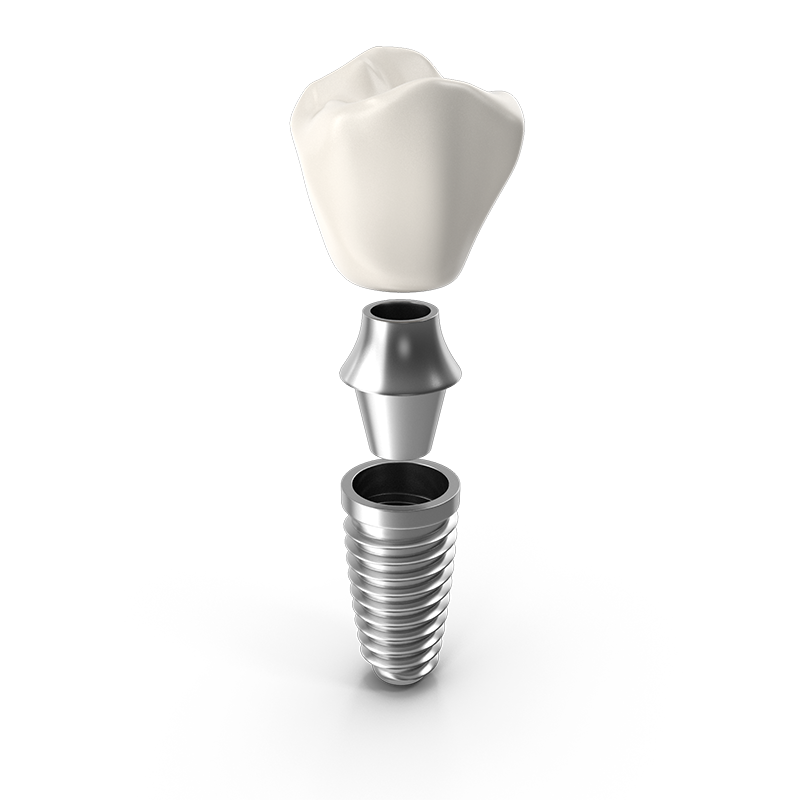
Most permanent solution to replacing missing teeth
Benefits of dental implants
- Natural Appearance: Dental implants closely resemble natural teeth, providing a seamless and aesthetically pleasing smile.
- Improved Chewing Ability: Dental implants allow for comfortable and efficient chewing, enabling you to enjoy a wide range of foods.
- Longevity: With proper care, dental implants can last for many years, making them a durable and long-lasting tooth replacement option.
- Preservation of Jawbone: Dental implants help preserve the jawbone’s structure and prevent bone loss, maintaining oral health.
- Convenience: Dental implants are a permanent solution that doesn’t require removal, adhesives, or special cleaning routines like removable dentures.
- Improved Oral Health: Unlike dental bridges, dental implants do not require modification of adjacent teeth, preserving the integrity of natural teeth.
- Enhanced Confidence: Restoring your smile with dental implants can boost self-confidence and self-esteem, allowing you to smile and speak with assurance.
What happens after implant placement
Dental implants aftercare
Dental Implants are designed to potentially last a lifetime. With proper care, successful implants can function and look just like natural teeth. Your oral hygiene is very important, so it is important to brush and floss your implants just like you would natural teeth. You should also visit your dentist several times each year for hygiene and maintenance. As with regular dentures and other tooth replacements, your implants and their associated components are subject to wear and tear and eventually will need repair, including clip replacement, relines, screw tightening, and other adjustments.
Dental implant placement enables a person the ability to eat virtually anything and retain their natural facial contours.
We’ll provide personalized postoperative instructions covering everything from managing discomfort and swelling to maintaining oral hygiene, choosing appropriate foods and returning to your normal activities.
Manage Discomfort & Swelling
Some soreness and swelling are normal for the first few days. Hold a cold pack against your cheek near the treated area during the first day, rest with your head raised, and take any medication exactly as prescribed. If pain or swelling gets worse instead of better after a few days, call our office.
Eat Soft Foods & Stay Hydrated
Stick to soft foods such as yogurt, eggs, soup and smoothies for the first several days, and chew on the opposite side from your implant. Drink plenty of water, but skip straws, which can disturb healing. Avoid hot, spicy, crunchy or hard foods, alcohol and tobacco until we let you know it’s safe.
Keep Your Mouth Clean
Keep brushing your other teeth as usual, and be gentle around the treated area. Starting the day after surgery, rinse gently with warm salt water after meals, or use the rinse we prescribe, and avoid spitting forcefully. At your follow-up visits we’ll show you how to clean around your implant for the long term.
Real patients – real experiences
Patient Testimonials
Very Kind and Professional
The office staff and doctors were very kind and professional. Detailed written information was extremely helpful. The care that was given to our special needs son was outstanding. The system they use during this time of covid made us feel protected. I will definitely recommend OMFS.
Judy C.
Smooth & Easy Treatment Process
I enjoyed having my wisdom teeth out at NAEOMS. They made me feel comfortable from my first visit. The surgery was quick, and recovery was smooth. I recommend this place and amazing team any day.
Stacey M.
Made Me Feel Calm & Safe
My dentist referred me to have my wisdom teeth extracted by Northeast Arkansas COMFS. I was nervous about the entire process, but the team made me feel calm and safe. They were all really funny, which helped make me feel so reassured. I would recommend them to anyone!
Amber B.
Made Me Feel Comfortable
The team at NAEOMS made me feel so comfortable before and after my procedure. They’re all so sweet and kind.
I would recommend this place to anyone! The service is fast, easy, clean, friendly, and convenient!
Sarah S.
Good questions deserve clear answers
Frequently Asked Questions
Why Choose to Replace Teeth with Dental Implants?
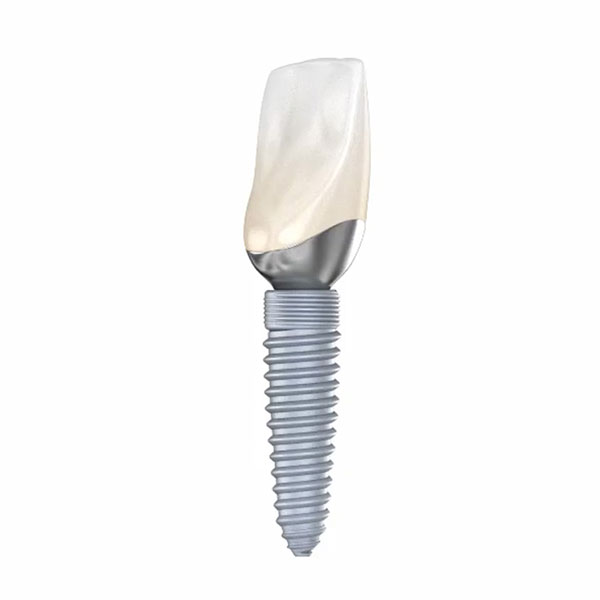
First and foremost, they restore your ability to chew and speak comfortably, just like natural teeth. They are designed to look, feel, and function like your own teeth, enhancing both your smile and your overall oral health.
Another significant benefit of dental implants is their ability to preserve the structure and integrity of your jawbone. When a tooth is lost, the underlying bone can start to deteriorate over time. By replacing the missing tooth root with a dental implant, it stimulates the surrounding bone, preventing further bone loss and maintaining facial harmony.
What Should I Expect During Dental Implant Procedure?
Initially, our skilled oral surgeon will conduct a comprehensive examination of your mouth, including digital imaging, to assess your suitability for dental implants. If you’re a good candidate, the procedure can typically be broken down into three main phases:
Placement of the implant: Under local anesthesia, the titanium implant is precisely positioned in the jawbone during a minor surgical procedure.
Osseointegration: Over the next few months, a process called osseointegration occurs. This is when the implant fuses with the jawbone, creating a solid and stable foundation. During this time, a temporary restoration may be placed to maintain aesthetics and function.
Restoration: Once the implant has integrated with the bone, an abutment is attached to the implant. This abutment serves as a connector between the implant and the replacement tooth. Then, a custom-made crown, bridge, or denture is securely attached to the abutment, completing your new smile.
How is the Recovery after Dental Implant Surgery?

Recovery from a dental implant procedure is typically smooth and well-tolerated. Any discomfort can be managed with prescribed pain medication. It is normal to experience some minor swelling and temporary dietary restrictions, such as sticking to soft foods for a few days. Our team will provide you with detailed post-operative instructions to ensure a successful recovery.
Choosing dental implants is an investment in your long-term oral health and quality of life. They provide a durable and natural-looking solution that can last a lifetime with proper care. Our experienced team is dedicated to providing you with personalized care, ensuring your comfort, and delivering exceptional results.
Dental Implant Overview Video
Playlist
3:41
0:58
0:16
0:52
0:38

Take the first step towards a healthy smile
Ready to make the first step?
Call our office to schedule a consultation with Dr. McDonough or Dr. Phillips